



Acute kidney disease
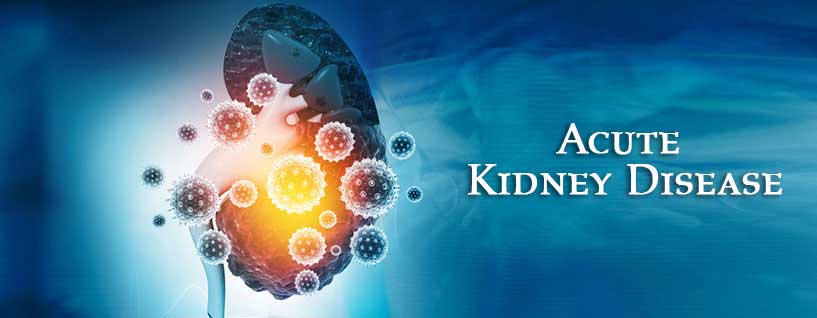
Acute kidney failure occurs when your kidneys suddenly become unable to filter waste products from your blood. Acute kidney failure also called acute kidney injury — develops rapidly, usually in less than a few days
Causes of Acute kidney disease
- Impaired blood flow to the kidneys
- Damage to the kidneys
- Urine blockage in the kidneys
Chronic kidney disease
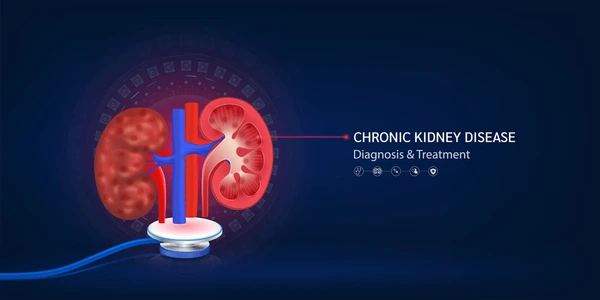
Chronic kidney disease (CKD) is a slow and progressive loss of kidney function over several years. Eventually, a person may develop kidney failure.
Causes of Chronic kidney disease
- High blood pressure – over time, this can put strain on the small blood vessels in the kidneys and stop the kidneys working properly
- Diabetes – too much glucose in your blood can damage the tiny filters in the kidneys
- High cholesterol – this can cause a build-up of fatty deposits in the blood vessels supplying your kidneys, which can make it harder for them to work properly
- Kidney infections
- Glomerulonephritis – kidney inflammation
- Polycystic kidney disease – an inherited condition where growths called cysts develop in the kidneys
- Blockages in the flow of urine – for example, from kidney stones that keep coming back, or an enlarged prostate
- Long-term, regular use of certain medicines – such as lithium and non-steroidal anti-inflammatory drugs (NSAIDs)
5 STAGES OF KIDNEY DISEASE
- Stage 1 CKD: Mild kidney damage, eGFR 90 or higher
- Stage 2 CKD: Mild loss of kidney function, eGFR 60-89
- Stage 3a & 3b CKD: Mild to severe loss of kidney function, eGFR 30-59
- Stage 4 CKD: Severe loss of kidney function, eG FR 15-29
- Stage 5 CKD: Kidney failure or close to failure, eGFR less than 15
Diabetic nephropathy
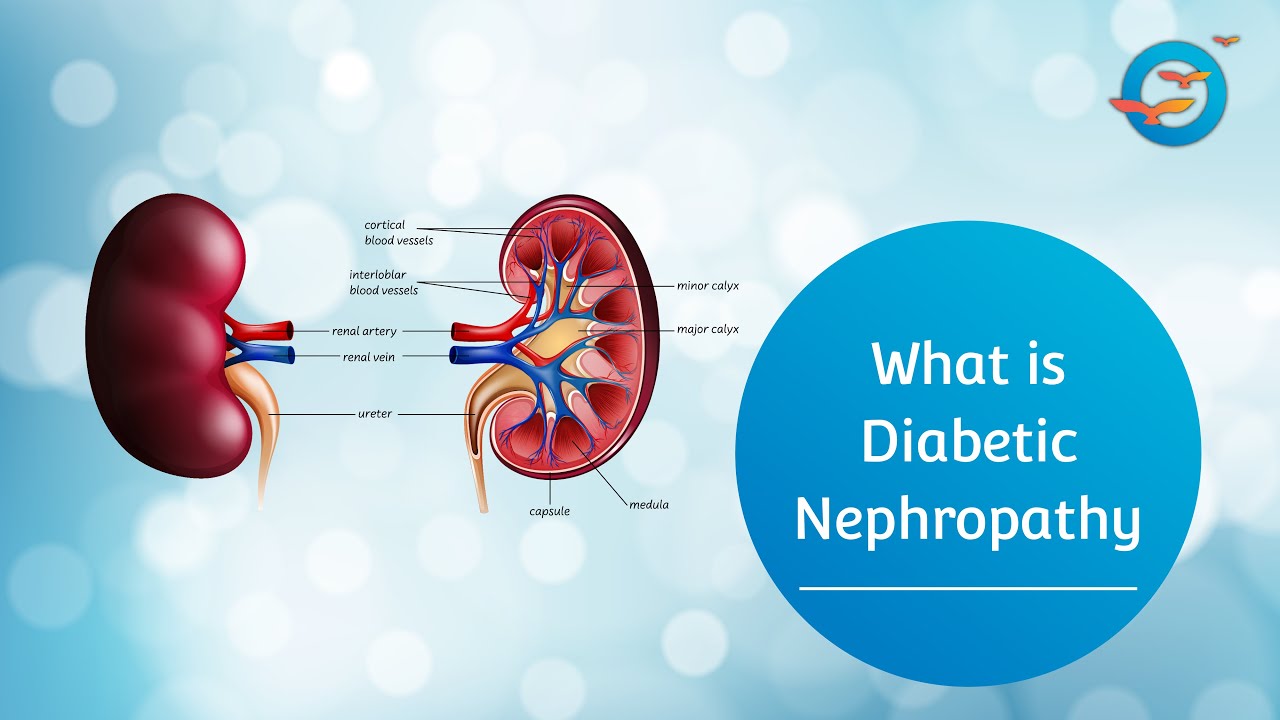
Diabetic nephropathy, also known as diabetic kidney disease,[5] is the chronic loss of kidney function occurring in those with diabetes mellitus. Diabetic nephropathy is the leading causes of chronic kidney disease (CKD) and end-stage renal disease (ESRD) globally. The triad of protein leaking into the urine (proteinuria or albuminuria), rising blood pressure with hypertension and then falling renal function is common to many forms of CKD
Symptoms of Diabetic Nephropathy
- Swelling of the hands, feet, and face
- Trouble sleeping or concentrating
- Poor appetite
- Nausea
- Weakness
- Itching (end-stage kidney disease) and extremely dry skin
- Drowsiness (end-stage kidney disease)
- Abnormalities in the hearts’ regular rhythm, because of increased potassium in the blood
- Muscle twitching
Hypertensive kidney disease
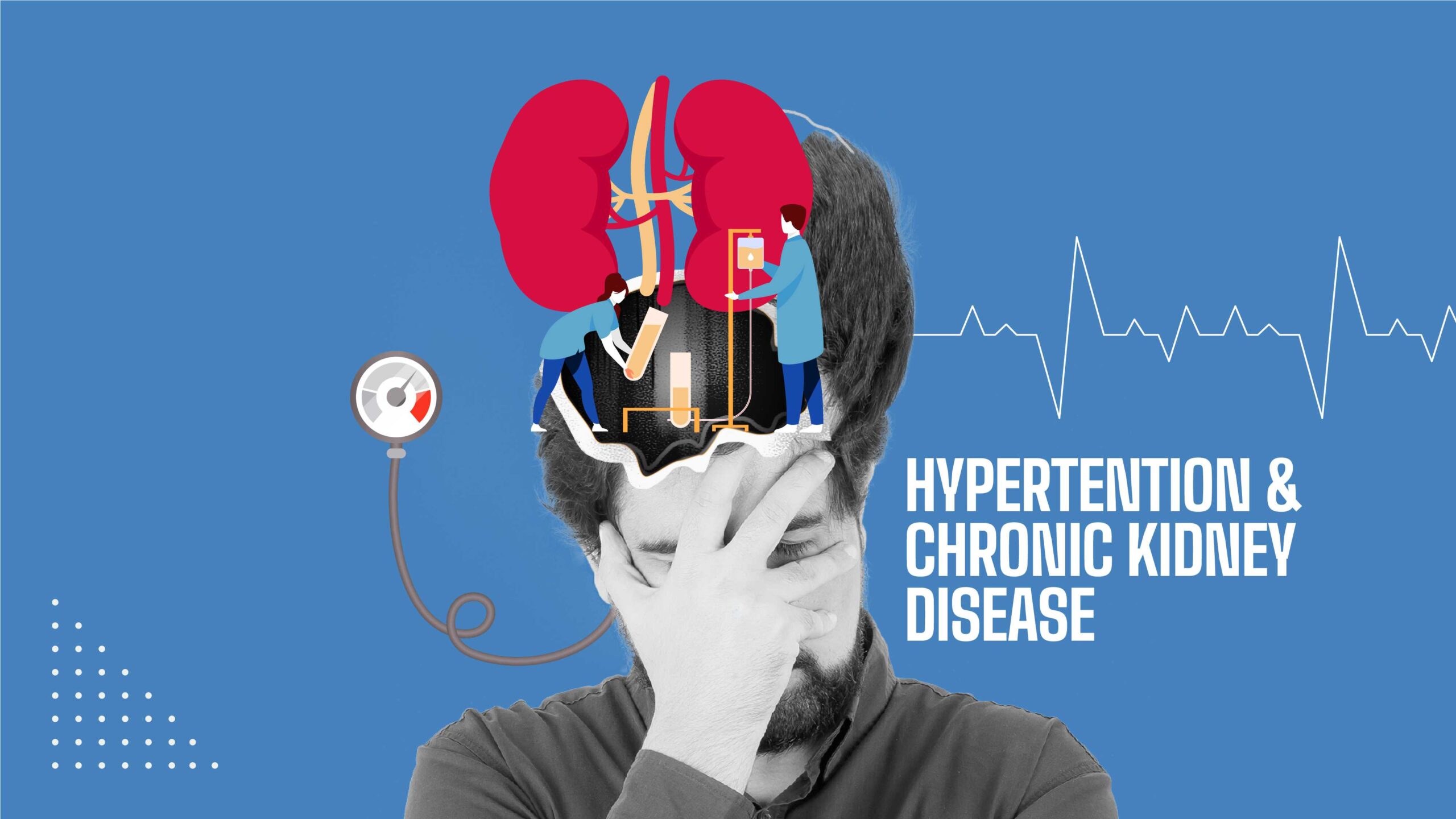
Hypertensive Nephropathy is a disease of the kidneys. The vasculature of the kidneys is damaged with an increase in blood pressure (high blood pressure).
sclerosis of the renal arterioles reduces blood flow that can lead to kidney failure
Causes of Hypertensive kidney disease
“Hypertensive” refers to high blood pressure and “nephropathy” means damage to the kidney; hence this condition is where chronic high blood pressure causes damages to kidney tissue; this includes the small blood vessels, glomeruli, kidney tubules and interstitial tissues. The tissue hardens and thickens which is known as nephrosclerosis.[2] The narrowing of the blood vessels means less blood is going to the tissue and so less oxygen is reaching the tissue resulting in tissue death (ischemia)
Symptoms of hypertensive kidney disease
- Worsening blood pressure
- Decrease in amount of urine or difficulty urinating,
- Edema (fluid retention) that is most pronounced in the lower legs, and
- A need to urinate more often, especially at night.
Glomerulo Nephritis
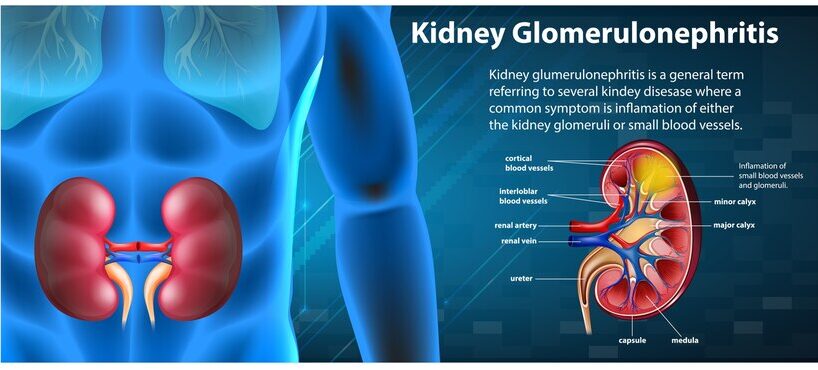
Glomerulonephritis (GN) is inflammation of the glomeruli, which are structures in your kidneys that are made up of tiny blood vessels. These knots of vessels help filter your blood and remove excess fluids. If your glomeruli are damaged, your kidneys will stop working properly, and you can go into kidney failure.Sometimes called nephritis, GN is a serious illness that can be life-threatening and requires immediate treatment. GN can be both acute, or sudden, and chronic, or long-term.
causes of Glomerulonephritis
Acute Glomerulonephritis
- Strep throat
- Systemic lupus erythematosus, which is also called lupus
- Goodpasture syndrome, a rare autoimmune disease in which antibodies attack your kidneys and lungs
- Amyloidosis, which occurs when abnormal proteins that can cause harm build up in your organs and tissues
- Granulomatosis with polyangiitis (formerly known as Wegener’s granulomatosis), a rare disease that causes inflammation of the blood vessels
- Polyarteritis nodosa, a disease in which cells attack arteries
Heavy use of nonsteroidal anti-inflammatory drugs, such as ibuprofen (Advil) and naproxen (Aleve), may also be a risk factor. You shouldn’t exceed the dosage and length of treatment listed on the bottle without seeking advice from your primary care provider.
Chronic Glomerulonephritis
- Certain immune diseases
- A history of cancer
- Exposure to some hydrocarbon solvents
Acute Glomerulonephritis
- Puffiness in your face
urinating less often - Blood in your urine, which turns your urine a dark rust color
- Extra fluid in your lungs, causing coughing
- High blood pressure
Chronic Glomerulonephritis
- Blood or excess protein in your urine, which may be microscopic and show up in urine tests
- High blood pressure
- Swelling in your ankles and face
- Frequent nighttime urination
- Bubbly or foamy urine, from excess protein
- Abdominal pain
- Frequent nosebleeds
Proteinuria
Causes of long-term protein in the urine
- Kidney disease
- Nephrotic syndrome
- Risk factors that give you a higher chance of having kidney disease, such as:
- Diabetes
- High blood pressure
- Family history of kidney disease
- Pregnancy
- Preeclampsia (a type of high blood pressure that happens during pregnancy)
Causes of short-term protein in the urine
- Dehydration (not having enough water in your body)
- High stress
- Being in very cold temperatures
- Fever
- High-intensity physical activity
Symptoms of proteinuria
- Foamy, frothy or bubbly urine
- Swelling in your hands, feet, belly or face
- Urinating more often
- Feeling sick to your stomach or throwing up
- Muscle cramps at night
Kidney cysts
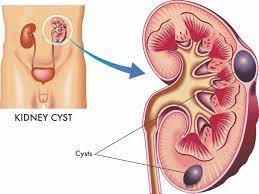
Kidney cysts are round pouches of fluid that form on or in the kidneys. Kidney cysts can occur with disorders that may impair kidney function. But more often, kidney cysts are a type called simple kidney cysts. Simple kidney cysts aren’t cancer and rarely cause problems.
Causes of Kidney cysts
It’s not clear what causes simple kidney cysts. One theory suggests that kidney cysts develop when the surface layer of the kidney weakens and forms a pouch. The pouch then fills with fluid, detaches and develops into a cyst.
Symptoms of Kidney cysts
- Dull pain in the back or side
- Fever
- Upper stomach pain
Complications
- An infected cyst. A kidney cyst may become infected, causing fever and pain.
- A burst cyst. A kidney cyst that bursts causes severe pain in the back or side. Sometimes a burst cyst may cause blood in the urine.
- Blocked urine flow. A kidney cyst that blocks the typical flow of urine may lead to kidney swelling.
Kidney stone
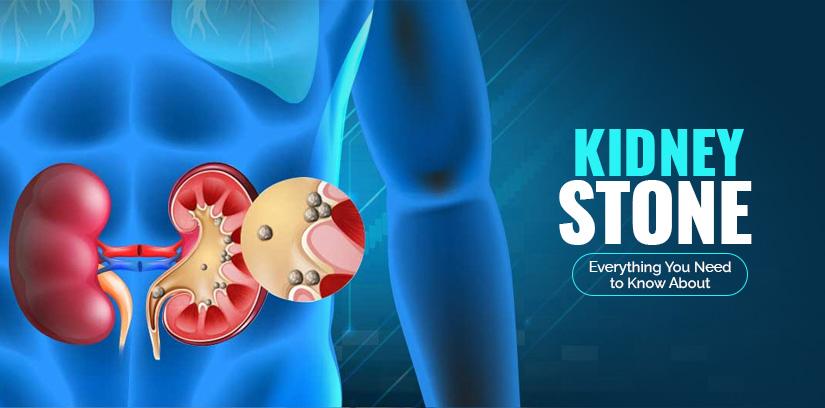
A kidney stone is a hard object that is made from chemicals in the urine. There are four types of kidney stones: calcium oxalate, uric acid, struvite, and cystine.
Causes of kidney stones
- Dehydration
- Obesity
A diet with high levels of protein, salt, or glucose - hyperparathyroid condition
- Gastric bypass surgery
- Inflammatory bowel diseases that increase calcium absorption
- Taking medications such as triamterene diuretics, antiseizure drugs, and calcium-based antacids
Symptoms of kidney stones
- Severe pain on either side of your lower back
- More vague pain or stomach ache that doesn’t go away
- Blood in the urine
- Nausea or vomiting
- Fever and chills
- Urine that smells bad or looks cloudy
Urinary tract infection (UTI)
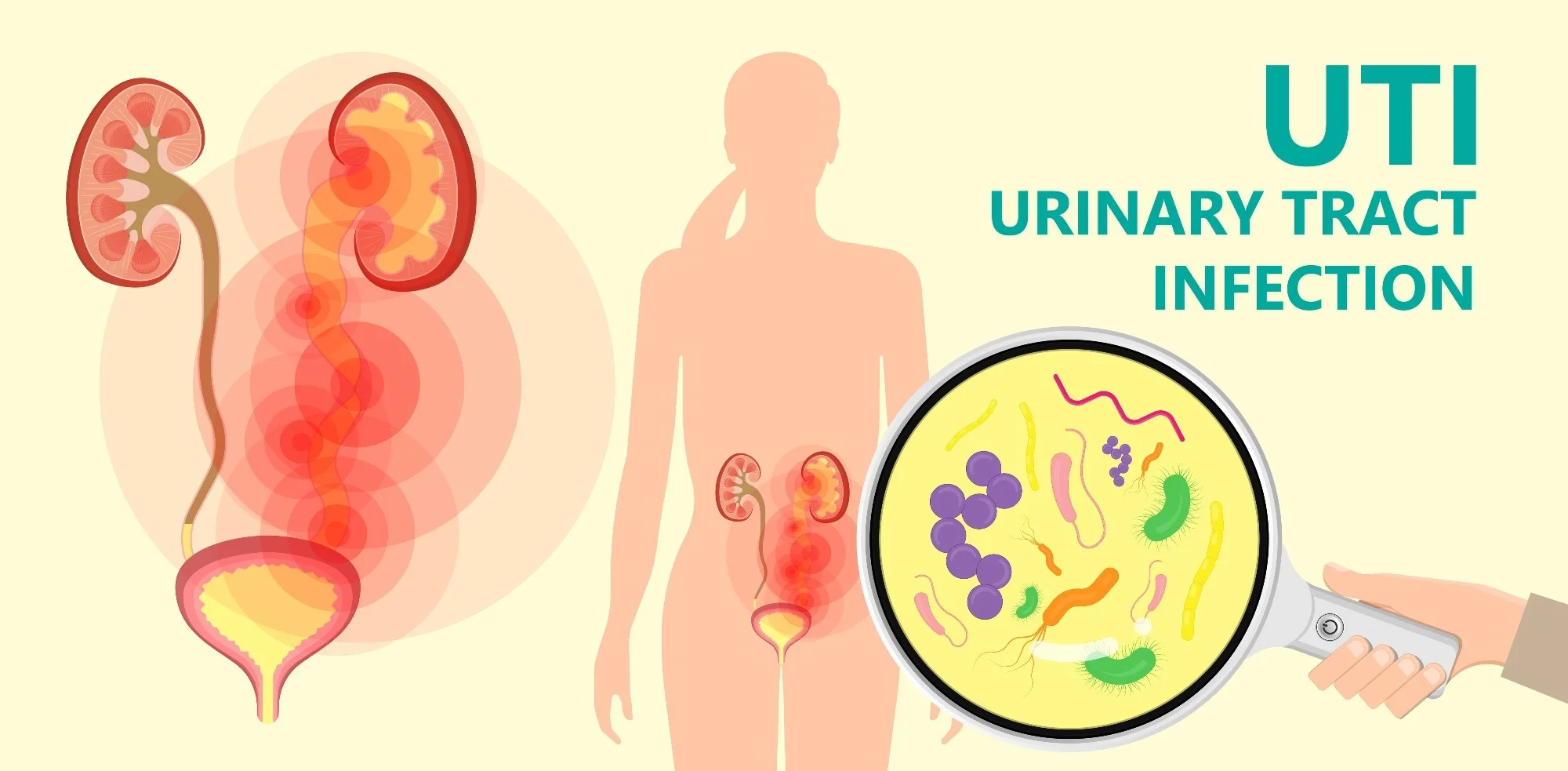
A urinary tract infection (UTI) is an infection of the urinary system. This type of infection can involve your urethra (a condition called urethritis), kidneys (a condition called pyelonephritis) or bladder, (a condition called cystitis)
.
Causes of urinary tract infection (UTI)
Urinary tract infections are caused by microorganisms — usually bacteria — that enter the urethra and bladder, causing inflammation and infection. Though a UTI most commonly happens in the urethra and bladder, bacteria can also travel up the ureters and infect your kidneys.
More than 90% of bladder infection (cystitis) cases are caused by E. coli, a bacterium normally found in the intestines
More common in women. This is because the urethra (tube the carries urine out of the body) in females is shorter and closer to the anus, where E. coli bacteria are common. Older adults also are at higher risk for developing cystitis. This increased risk may be due to incomplete emptying of the bladder. There are several medical conditions that can be related to this, including an enlarged prostate or a bladder prolapse (a condition where the bladder falls or slips out of its usual position).
Symptoms of a urinary tract infection (UTI)
- Pain in the side (flank), abdomen or pelvic area.
- Pressure in the lower pelvis.
- Frequent need to urinate (frequency), urgent need to urinate (urgency) and Incontinence (urine leakage).
- Painful urination (dysuria) and blood in the urine.
- The need to urinate at night.
- Abnormal urine color (cloudy urine) and strong or foul-smelling urine.
- Recurrent urinary tract infection (UTI)
- Recurrent urinary tract infection (UTI) is defined as two proven episodes within six months, or three within a year.
Causes of Recurrent urinary tract infection (UTI)
- Anatomical defects that lead to stasis, obstruction, urinary reflux all result in an increased predisposition to recurrent urinary tract infections.
- Vesicoureteric reflux (VUR) is identified in up to 40% of children being investigated for a first UTI.
- Cystoceles and pelvic organ prolapse are important risk factors for recurrent UTIs in women.
- Functional defects, like overactive bladder and urinary incontinence, tend to lead to recurrent infections.
- Older men can often develop urinary tract infections due to outflow obstruction or neurogenic bladder resulting in urinary stasis and an increased risk of recurrent infection.
- Several other lesions may predispose to recurrent UTIs, including intraluminal (bladder stones, neoplasms, indwelling catheters, stents, foreign bodies), intramural (ureteral stenosis/strictures), and extramural lesions (inflammatory mass, fibrosis, extrinsic mass effect, or neoplasm).
- Hydronephrosis, which is an enlargement of one or both kidneys due to backup or blockage of urine flow. It’s usually caused by severe VUR or a blocked ureter. Some kids with hydronephrosis might need to take daily low doses of antibiotics to prevent UTIs until the condition producing hydronephrosis gets better or is fixed through surgery.
Hydronephrosis
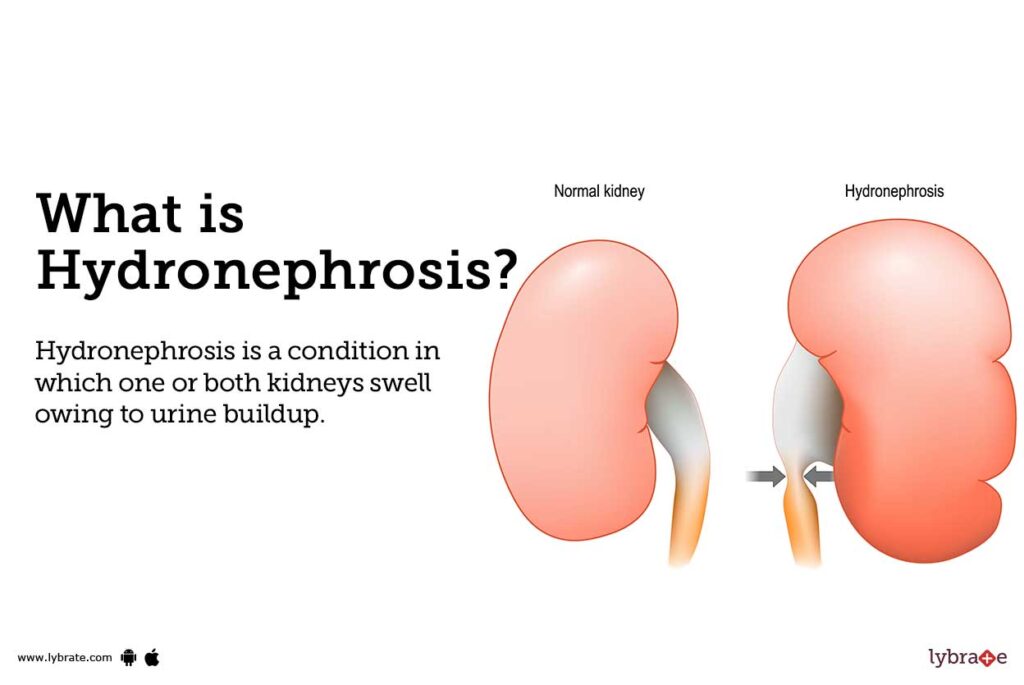
Hydronephrosis is the swelling of a kidney due to a build-up of urine. It happens when urine cannot drain out from the kidney to the bladder from a blockage or obstruction. Hydronephrosis can occur in one or both kidneys
Causes of Hydronephrosis
- Kidney stone
- Congenital blockage (a defect that is present at birth)
- Blood clot
- Scarring of tissue (from injury or previous surgery)
- Tumor or cancer (examples include bladder, cervical, colon, or prostate)
- Enlarged prostate (noncancerous)
- Pregnancy
- Urinary tract infection (or other diseases that cause inflammation of the urinary tract)
Symptoms of hydronephrosis
- Pain in the side and back that may travel to the lower abdomen or groin
- Urinary problems, such as pain with urination or feeling an urgent or frequent need to urinate
- Nausea and vomiting
- Fever
- Failure to thrive, in infants
Immune system diseases
Nephrotic syndrome
Nephrotic syndrome is a kidney disorder that causes your body to pass too much protein in your urine.
Nephrotic syndrome is usually caused by damage to the clusters of small blood vessels in your kidneys that filter waste and excess water from your blood.
Primary causes of nephrotic syndrome
The most common primary cause of nephrotic syndrome in adults is a disease called focal segmental glomerulosclerosis (FSGS). The only way to know for sure whether you have FSGS is to get a kidney biopsy. Even when treated, most people with FSGS will eventually develop kidney In children, the most common
primary cause of nephrotic syndrome is minimal change disease.
secondary causes of nephrotic syndrome
The most common secondary cause of nephrotic syndrome in adults is diabetes.
The most common secondary cause of nephrotic syndrome in children is diabetes.
Symptoms of nephrotic syndrome
- Swelling in your legs, feet, ankles and sometimes face and hands
- Weight gain
- Feeling very tired
- Foamy or bubbly urine
- Not feeling hungry
Poly Cystic kidney disease
Polycystic kidney disease (also called PKD) causes numerous cysts to grow in the kidneys. These cysts are filled with fluid. If too many cysts grow or if they get too big, the kidneys can become damaged. PKD cysts can slowly replace much of the kidneys, reducing kidney function and leading to kidney failure.
Autosomal dominant polycystic kidney disease
It is the most common type of PKD, resulting in the loss of kidney function in people of age between 30 and 50
Autosomal recessive polycystic kidney disease
The meaning of “autosomal recessive PKD,” means that for the child to have this disorder, the mutations in the genes must be involved in both the parents. If one parent has the required gene, the child may not have this disorder, but will only become a carrier so that he can pass the genes to the coming generation.
Acquired cystic kidney disease
This disorder happens to the patient who suffers from kidney damage from a long time, or severe infection is there in the kidneys
Symptoms of Poly Cystic kidney disease
- Most people do not develop symptoms until they are 30 to 40 years old.
- Back or side pain
- An increase in the size of the abdomen
- Blood in the urine
- Frequent bladder or kidney infections
- High blood pressure
- Fluttering or pounding in the chest